
Follow Me On Social Media!
Secret Ingredient for Soft Cookies 🍪🤫

The Baking Trick That Changes Everything
If you’ve ever pulled a batch of cookies out of the oven only to watch them turn dry, flat, or crunchy within hours, you’re not alone. Soft cookies are the holy grail of home baking—and the difference between “just okay” cookies and bakery-style perfection often comes down to one small but powerful detail.
So what’s the secret ingredient for soft cookies?
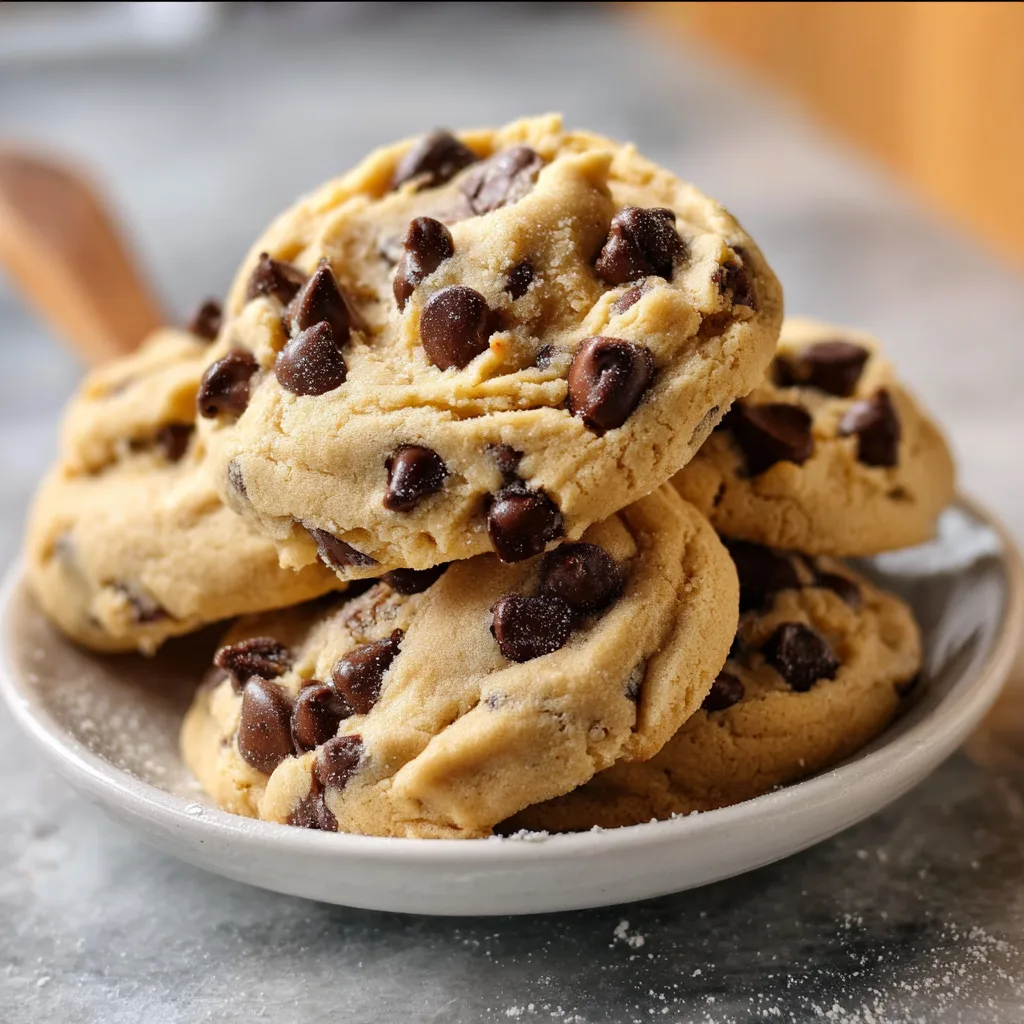
Cornstarch.
Yes—plain, simple cornstarch. This unassuming pantry staple is the quiet hero behind many ultra-soft, thick, and tender cookies you find at professional bakeries. And once you understand how it works, you’ll never bake cookies without it again.
This article breaks down exactly why cornstarch makes cookies soft, how to use it correctly, what mistakes to avoid, and how it compares to other “secret” baking tricks.
Why Soft Cookies Are So Hard to Get Right
Cookies seem simple, but they’re surprisingly sensitive. A few extra minutes in the oven, too much flour, or the wrong fat ratio can turn soft dough into crunchy disappointment.
Common reasons cookies turn hard:
- Too much flour
- Overbaking
- High oven temperature
- Not enough moisture
- Incorrect fat balance
Even when you follow a recipe exactly, environmental factors like humidity and flour packing can change the outcome.
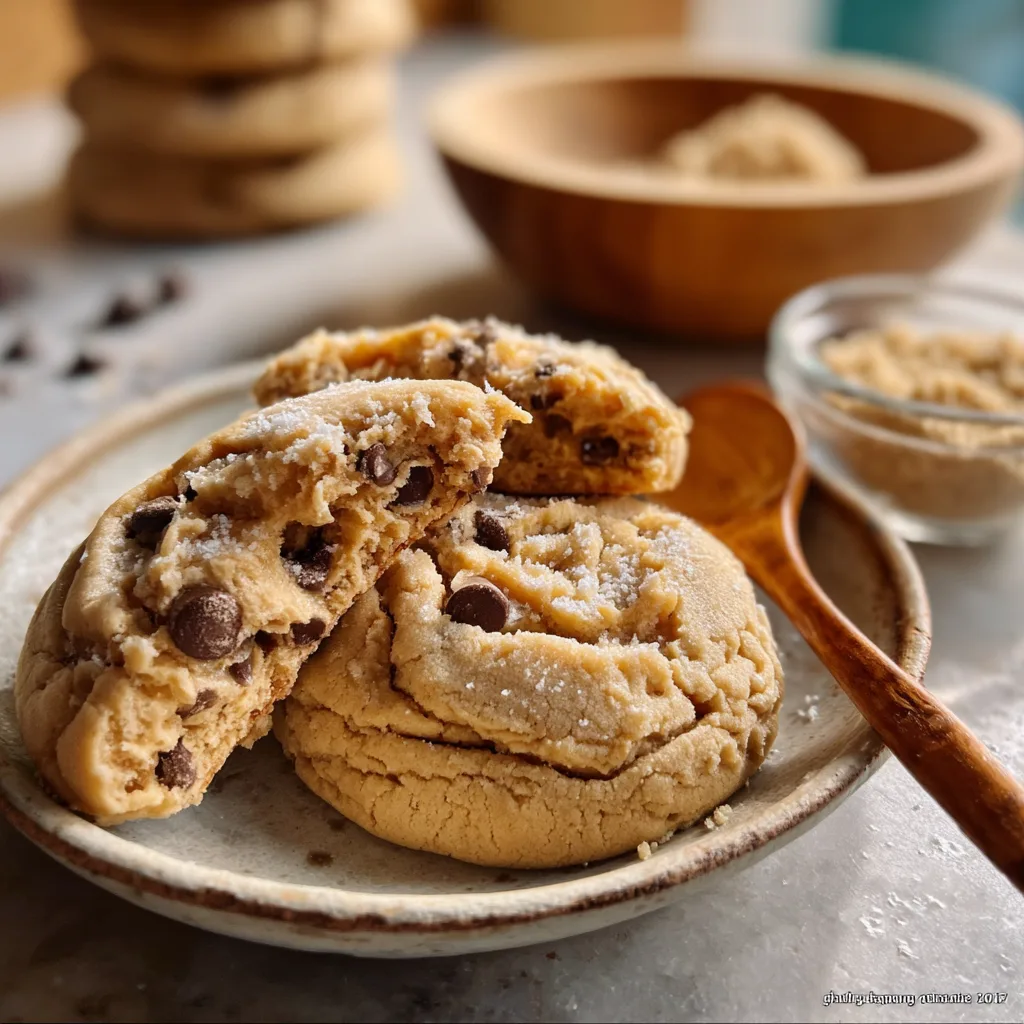
That’s where cornstarch comes in—it acts as insurance.
The Real Secret Ingredient: Cornstarch
Cornstarch is a fine, powdery starch with almost no flavor. When added to cookie dough in small amounts, it dramatically alters texture without changing taste.
What cornstarch does in cookies:
- Softens gluten formation
- Creates a tender crumb
- Locks in moisture
- Prevents excessive spreading
Instead of making cookies cakey, cornstarch gives them that pillowy, melt-in-your-mouth softness that stays for days.
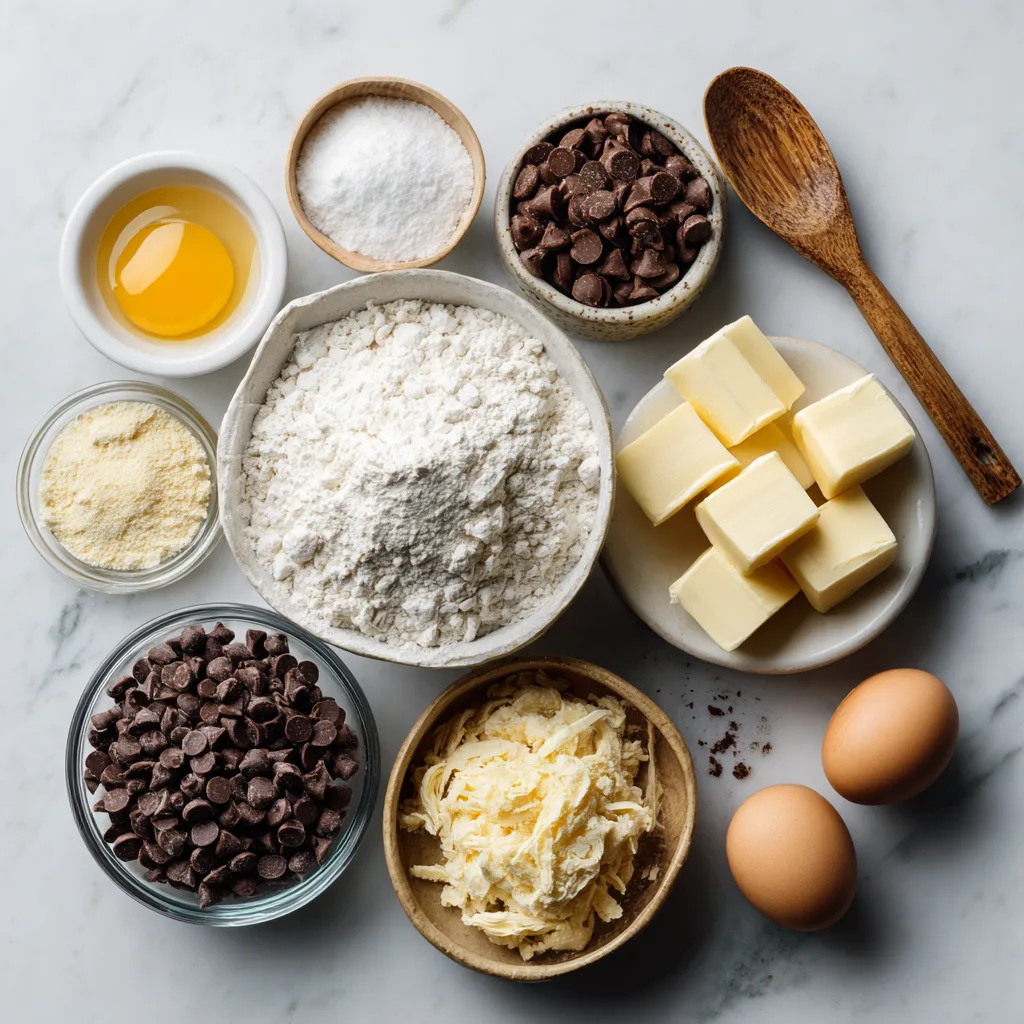
This is why many bakery-style cookie recipes quietly include it.
How Cornstarch Actually Works (The Science, Simplified)
Flour contains proteins that form gluten when mixed with liquid. Gluten is great for bread—but not for soft cookies.
Cornstarch:
- Has no gluten
- Dilutes the protein content in flour
- Weakens gluten structure
The result? Cookies that hold together without becoming tough.
It also absorbs some moisture, which slows evaporation during baking. That’s why cookies stay soft even after cooling.
Secret Ingredient for Soft Cookies
A simple baking technique using cornstarch to create soft, tender, bakery-style cookies every time.
Ingredients
Equipment
Method
- Whisk cornstarch into dry ingredients before adding to cookie dough.
- Bake cookies until edges are set but centers remain soft.
Notes
Use in most standard cookie recipes for softer texture.
How Much Cornstarch to Use
The key is restraint. Too much cornstarch can make cookies crumbly or chalky.
The golden rule:
👉 1 to 2 teaspoons cornstarch per 2 cups of flour
That’s it. You don’t need more.
This small amount is enough to transform texture without altering structure or flavor.
When to Add Cornstarch
Cornstarch should always be mixed with your dry ingredients.
Correct method:
- Whisk flour, cornstarch, baking soda/powder, and salt together
- Add to wet ingredients gradually
Never add cornstarch directly to wet ingredients—it won’t distribute evenly.
Cornstarch vs Other “Soft Cookie” Tricks
You may have heard of other tricks, but here’s how cornstarch stacks up:
Cornstarch vs Cake Flour
Cake flour already contains cornstarch, but using straight cake flour can make cookies too delicate. Cornstarch lets you control the softness.
Cornstarch vs Cream Cheese
Cream cheese adds moisture but also flavor. Cornstarch works invisibly.
Cornstarch vs Extra Egg Yolk
Egg yolks add chewiness, not softness. Cornstarch creates tenderness.
Cornstarch vs Underbaking
Underbaking helps—but without cornstarch, cookies often firm up later.
Cornstarch is the most reliable, least invasive method.
Soft Cookie Dough Formula (Universal)
This isn’t a full cookie recipe—it’s a texture upgrade formula you can apply to almost any cookie recipe.
Soft Cookie Enhancement Formula:
- Replace 2 tbsp flour with 2 tbsp cornstarch
- Chill dough 30 minutes
- Bake just until edges set
This works for:
- Chocolate chip cookies
- Sugar cookies
- Pumpkin cookies
- Snickerdoodles
Mistakes That Cancel Out Cornstarch
Even with cornstarch, these mistakes will ruin softness:
- Overbaking
- Using high-protein flour
- Scooping flour too tightly
- Baking on dark pans
- Baking too hot
Cornstarch helps—but it can’t save burned cookies.
How to Store Cookies to Keep Them Soft
Cornstarch helps retention, but storage matters.
Best practices:
- Store in airtight container
- Add a slice of bread to the container
- Keep at room temperature
- Avoid refrigeration
Properly stored cornstarch cookies stay soft for 3–4 days.
Is Cornstarch Safe & Flavorless?
Yes and yes.
Cornstarch:
- Is neutral in taste
- Fully dissolves during baking
- Leaves no residue
- Is commonly used in baking
If you didn’t know it was there, you’d never guess.
Can You Use Cornstarch in Gluten-Free Cookies?
Absolutely. Cornstarch is gluten-free and often improves texture in gluten-free baking by mimicking softness usually lost without gluten.
Final Takeaway
If you’ve been chasing soft cookies and trying every trick in the book, this is the one that actually delivers.
Cornstarch is the secret ingredient for soft cookies because it quietly fixes texture at the structural level—without changing flavor, sweetness, or appearance.
Once you start using it, crunchy cookies will feel like a baking accident you’ll never repeat.