Follow Me On Social Media!
Thai Coconut Custard – A Creamy Tropical Dessert with Authentic Flavor

Few desserts capture the rich and comforting flavors of Southeast Asia quite like Thai Coconut Custard. This creamy, silky dessert blends the natural sweetness of coconut milk with eggs and sugar to create a smooth custard that is both light and indulgent.
Known in Thailand as Sangkhaya, coconut custard is a traditional dessert enjoyed during festivals, celebrations, and family gatherings. Its velvety texture and tropical aroma make it one of the most beloved coconut desserts in Thai cuisine.
The beauty of Thai coconut custard lies in its simplicity. With just a handful of ingredients—coconut milk, eggs, sugar, and aromatic flavorings—you can create a dessert that feels both exotic and comforting.
Served chilled or slightly warm, Thai coconut custard pairs beautifully with sticky rice, fresh fruit, or simply on its own as a delicate sweet treat.

What Makes Thai Coconut Custard Unique?
Custards are enjoyed in many cultures around the world, but Thai coconut custard stands out because of its unique ingredients and flavor profile.
Rich Coconut Flavor
Coconut milk replaces traditional dairy, giving the custard a naturally sweet and tropical taste.
Silky Smooth Texture
Gentle baking creates a soft, delicate custard consistency.
Naturally Fragrant
Pandan leaves or vanilla add subtle aromatic notes.
Light Yet Indulgent
Despite its creamy texture, the dessert feels light and refreshing.
Traditional Cultural Dish
Often served during holidays and special celebrations.
Ingredients
- 2 cups coconut milk
- 3 large eggs
- ½ cup palm sugar or brown sugar
- 1 teaspoon vanilla extract
- ¼ teaspoon salt
- 1 tablespoon shredded coconut (optional)
- 1 pandan leaf (optional, for aroma)

Instructions
- Preheat the oven
Preheat oven to 325°F (165°C). - Warm the coconut milk
In a saucepan over low heat, gently warm the coconut milk. Do not boil. - Dissolve the sugar
Add palm sugar to the warm coconut milk and stir until fully dissolved. - Beat the eggs
In a mixing bowl, lightly whisk the eggs until smooth. - Combine mixtures
Slowly pour the warm coconut milk mixture into the eggs while whisking continuously to prevent curdling. - Add flavorings
Stir in vanilla extract, salt, and shredded coconut if using. - Strain the custard
Pour the mixture through a fine sieve to remove bubbles or lumps. - Prepare baking dish
Pour custard mixture into small ramekins or a baking dish. - Bake the custard
Place ramekins in a baking tray filled with hot water (water bath). Bake for 30–35 minutes until the custard is set but still slightly jiggly. - Cool the custard
Remove from oven and allow to cool at room temperature. - Chill before serving
Refrigerate for at least 2 hours before serving.
Tips for Perfect Coconut Custard
Use Full-Fat Coconut Milk
Full-fat coconut milk gives the custard its creamy texture.
Bake in a Water Bath
A water bath ensures gentle cooking and prevents cracking.
Strain the Custard
Straining removes air bubbles and creates a silky smooth texture.
Avoid High Heat
High heat can cause the eggs to scramble instead of forming custard.
Let It Chill
Chilling improves texture and flavor.
Flavor Variations
Pandan Coconut Custard
Add pandan extract or pandan leaves for traditional Thai aroma.
Coconut Mango Custard
Serve with fresh mango slices for a tropical dessert.
Coconut Sticky Rice Custard
Pour custard over sticky rice for a classic Thai dessert pairing.
Toasted Coconut Custard
Top with toasted coconut flakes for extra texture.
Caramel Coconut Custard
Add a thin caramel layer at the bottom before baking.

Serving Suggestions
Thai coconut custard can be served in many delicious ways:
- With sweet sticky rice
- With fresh tropical fruit
- With mango slices
- With toasted coconut flakes
- As a chilled custard dessert
This dessert is light enough to follow rich meals yet satisfying enough to stand on its own.
Storage Tips
Refrigeration
Store in the refrigerator for up to 4 days in an airtight container.
Freezing
Freezing is not recommended because custard texture can separate.
Cultural Background of Thai Coconut Custard
Thai coconut custard has deep roots in Southeast Asian culinary traditions. Coconut milk has long been a staple ingredient in Thai cooking due to the abundance of coconut trees in tropical regions.
Traditional versions of coconut custard are sometimes steamed in hollowed pumpkins or served over sticky rice. These variations are often enjoyed during religious ceremonies and family celebrations.
Today, Thai coconut custard remains a beloved dessert across Thailand and is increasingly popular worldwide for its rich yet delicate flavor.
Nutritional Benefits
Coconut milk contains beneficial nutrients including:
- Healthy fats
- Iron
- Magnesium
- Potassium
While custard is still a sweet treat, coconut milk provides natural richness without dairy.
Perfect Occasions for Thai Coconut Custard
This elegant dessert works wonderfully for:
- Holiday dinners
- Dinner parties
- Cultural food events
- Tropical-themed meals
- Light summer desserts
Its smooth texture and fragrant coconut flavor make it a memorable ending to any meal.
Final Thoughts
Thai Coconut Custard is a timeless dessert that highlights the natural richness of coconut milk in the most comforting way. With its silky texture, tropical aroma, and delicate sweetness, this custard offers a unique and elegant dessert experience.
Simple ingredients and traditional techniques make this recipe approachable for home cooks while still honoring the flavors of authentic Thai cuisine.
Once you taste the creamy smoothness of homemade Thai coconut custard, it’s easy to understand why this dessert has remained a beloved classic for generations.
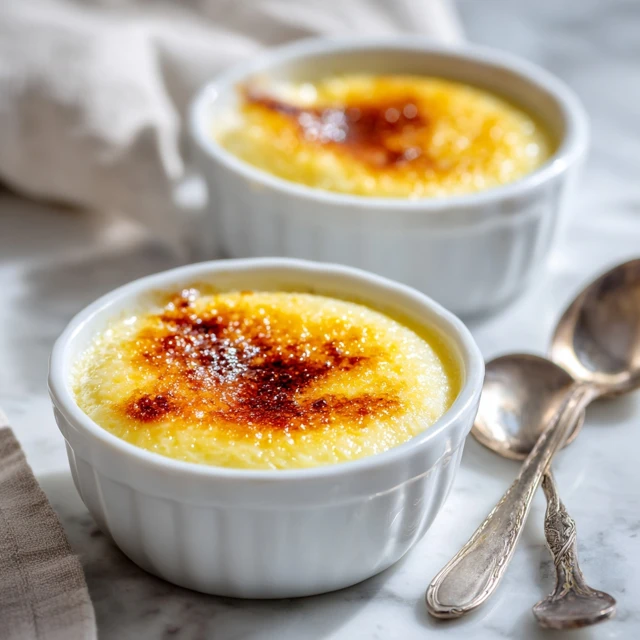
Thai Coconut Custard
A creamy traditional Thai dessert made with coconut milk and eggs.
Ingredients
Equipment
Method
- Preheat oven to 325°F.
- Warm coconut milk and dissolve sugar.
- Whisk eggs in a bowl.
- Slowly mix coconut milk into eggs.
- Add vanilla and salt.
- Strain custard mixture.
- Pour into ramekins.
- Bake in water bath for 30–35 minutes.
- Cool and refrigerate before serving.
Notes
Serve chilled with sticky rice or fruit.